



we work with more than 50 carriers







Join our Team
Benefits and features to help accelerate your agency's growth.



















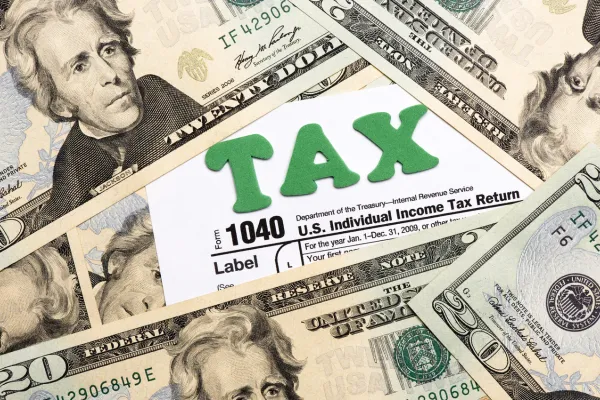
How Future Tax Increases Could Impact Your Retirement—and What You Can Do Now
Many people plan for retirement assuming today’s tax rules will stay the same. But history shows that tax laws change, often in ways that can significantly affect retirees. With rising government spending and evolving tax policy, future tax increases could have a real impact on how much of your retirement income you actually keep.
The good news? There are steps you can take now to reduce your exposure and build a more tax-resilient retirement plan.
Why Future Taxes Matter More Than You Think
Taxes don’t stop in retirement. In fact, many retirees discover that their tax bill is higher than expected due to:
Withdrawals from traditional 401(k)s and IRAs being taxed as ordinary income
Required minimum distributions (RMDs) forcing taxable withdrawals
Taxes on Social Security benefits once income crosses certain thresholds
Higher Medicare premiums tied to taxable income
If future tax rates rise, retirees who rely heavily on pre-tax accounts could be hit the hardest.
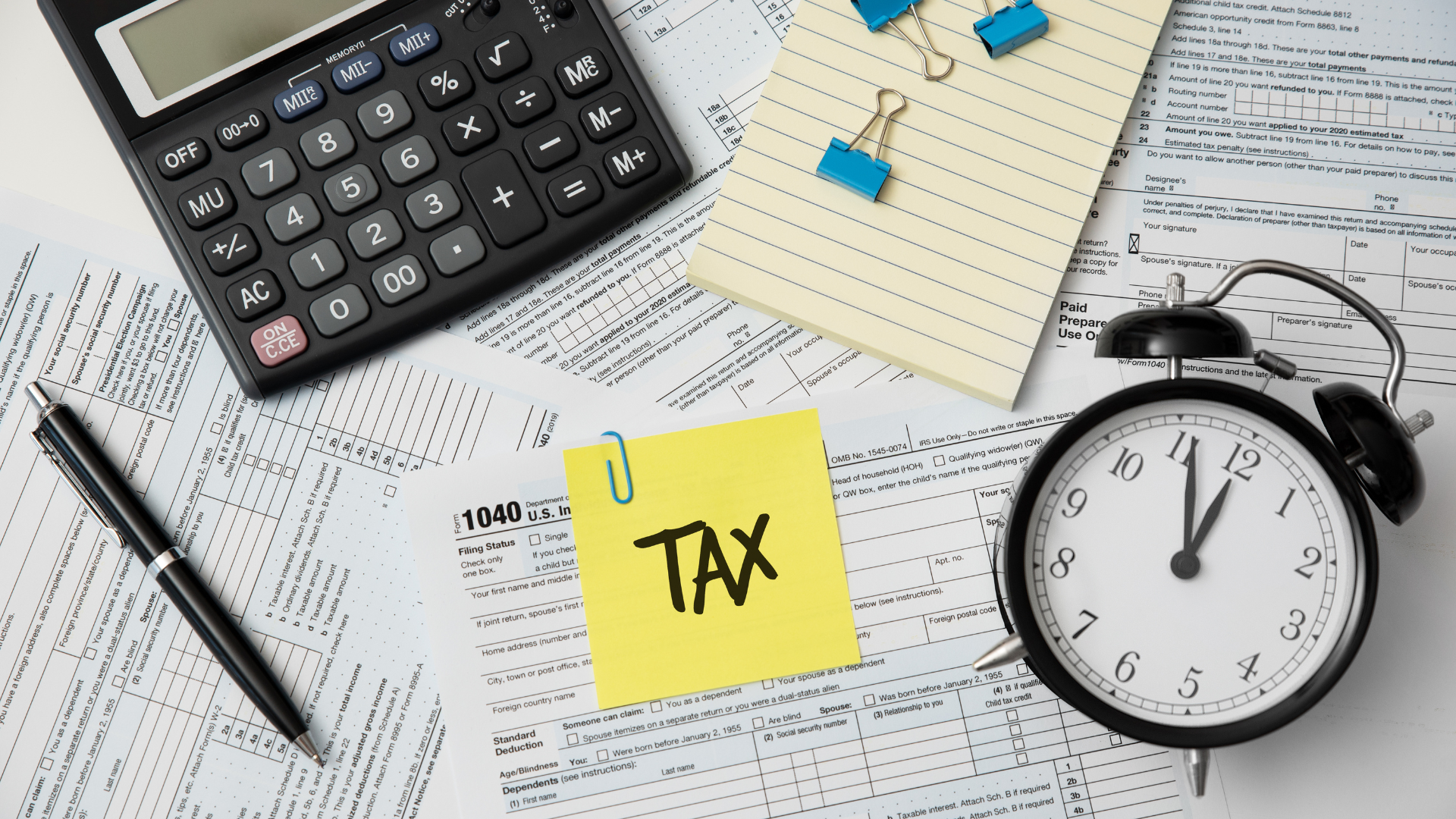
What Could Drive Higher Taxes in Retirement?
While no one can predict exact tax rates, several long-term trends suggest upward pressure:
Growing federal debt and spending obligations
An aging population, increasing strain on Social Security and Medicare
Temporary tax provisions scheduled to expire in the coming years
These factors make it reasonable to plan for a future where taxes may be higher—or at least less favorable—than they are today.
Who Is Most Vulnerable to Future Tax Increases?
You may be more exposed if:
Most of your retirement savings are in traditional, tax-deferred accounts
You expect steady income from pensions or required withdrawals
You plan to delay Social Security while drawing from pre-tax savings
You’re a high earner now but assume taxes will be lower later
Without tax diversification, rising tax rates can shrink retirement income faster than expected.
What You Can Do Now to Reduce Future Tax Risk
1. Build Tax-Free Retirement Income
Incorporating Roth IRAs or Roth 401(k)s allows you to pay taxes today in exchange for tax-free withdrawals later. This creates flexibility when managing income in retirement.
2. Diversify by Tax Treatment
A healthy retirement plan often includes a mix of:
Taxable accounts
Tax-deferred accounts
Tax-free accounts
This diversification gives you control over how much taxable income you generate each year.
3. Consider Strategic Roth Conversions
Converting a portion of traditional retirement savings to a Roth account during lower-income years can reduce future RMDs and lock in tax-free growth.
4. Plan Withdrawals With Taxes in Mind
The order in which you draw income in retirement matters. Coordinating withdrawals can help minimize lifetime taxes and preserve more wealth.
Why Waiting Can Be Costly
Delaying tax planning often means fewer options later. Once RMDs begin or income rises, opportunities to reposition assets tax-efficiently may shrink. Acting earlier allows you to control the timing of taxes instead of reacting to them.

Final Thoughts
You may not be able to control future tax laws—but you can control how prepared you are. By building tax-free income, diversifying your accounts, and planning strategically, you can reduce the impact of future tax increases on your retirement.
The most effective retirement plans don’t guess where taxes are going—they prepare for multiple outcomes.
How Future Tax Increases Could Impact Your Retirement—and What You Can Do Now
Many people plan for retirement assuming today’s tax rules will stay the same. But history shows that tax laws change, often in ways that can significantly affect retirees. With rising government spending and evolving tax policy, future tax increases could have a real impact on how much of your retirement income you actually keep.
The good news? There are steps you can take now to reduce your exposure and build a more tax-resilient retirement plan.
Why Future Taxes Matter More Than You Think
Taxes don’t stop in retirement. In fact, many retirees discover that their tax bill is higher than expected due to:
Withdrawals from traditional 401(k)s and IRAs being taxed as ordinary income
Required minimum distributions (RMDs) forcing taxable withdrawals
Taxes on Social Security benefits once income crosses certain thresholds
Higher Medicare premiums tied to taxable income
If future tax rates rise, retirees who rely heavily on pre-tax accounts could be hit the hardest.
What Could Drive Higher Taxes in Retirement?
While no one can predict exact tax rates, several long-term trends suggest upward pressure:
Growing federal debt and spending obligations
An aging population, increasing strain on Social Security and Medicare
Temporary tax provisions scheduled to expire in the coming years
These factors make it reasonable to plan for a future where taxes may be higher—or at least less favorable—than they are today.
Who Is Most Vulnerable to Future Tax Increases?
You may be more exposed if:
Most of your retirement savings are in traditional, tax-deferred accounts
You expect steady income from pensions or required withdrawals
You plan to delay Social Security while drawing from pre-tax savings
You’re a high earner now but assume taxes will be lower later
Without tax diversification, rising tax rates can shrink retirement income faster than expected.
What You Can Do Now to Reduce Future Tax Risk
1. Build Tax-Free Retirement Income
Incorporating Roth IRAs or Roth 401(k)s allows you to pay taxes today in exchange for tax-free withdrawals later. This creates flexibility when managing income in retirement.
2. Diversify by Tax Treatment
A healthy retirement plan often includes a mix of:
Taxable accounts
Tax-deferred accounts
Tax-free accounts
This diversification gives you control over how much taxable income you generate each year.
3. Consider Strategic Roth Conversions
Converting a portion of traditional retirement savings to a Roth account during lower-income years can reduce future RMDs and lock in tax-free growth.
4. Plan Withdrawals With Taxes in Mind
The order in which you draw income in retirement matters. Coordinating withdrawals can help minimize lifetime taxes and preserve more wealth.
Why Waiting Can Be Costly
Delaying tax planning often means fewer options later. Once RMDs begin or income rises, opportunities to reposition assets tax-efficiently may shrink. Acting earlier allows you to control the timing of taxes instead of reacting to them.
Final Thoughts
You may not be able to control future tax laws—but you can control how prepared you are. By building tax-free income, diversifying your accounts, and planning strategically, you can reduce the impact of future tax increases on your retirement.
The most effective retirement plans don’t guess where taxes are going—they prepare for multiple outcomes.

Best insurance
companies of 2025
Our staff of experts evaluate top-rated insurance carriers. See which insurers ranked best overall in 2025.
Why trust us?
Proven Experience
With years of industry expertise, we’ve helped thousands of clients secure reliable insurance coverage and sound financial strategies.
Personalized Service
We take the time to understand your unique needs and tailor our recommendations. No one-size-fits-all policies here.
Comprehensive Solutions
From individual insurance to business risk management, we provide a full suite of services under one trusted roof.
Transparency & Integrity
We believe in honest communication, clear terms, and no hidden fees. Your peace of mind is our priority.
Client-First Approach
We build lasting relationships, not just transactions. Our ongoing support and proactive reviews ensure your coverage evolves with your life and goals.
Lower Your Life Insurance Rates Today!
Find the Best Coverage with Insurance Cost Solutions
© 2025 Strategic Partners & Insurance Group SVC. California Dept. of Ins. License no. 6003770
18543 Devonshire St suite121 Northridge CA 91324


