



we work with more than 50 carriers









Join our Team
Benefits and features to help accelerate your agency's growth.



















How Living Benefits Can Protect Your Income During a Health Crisis
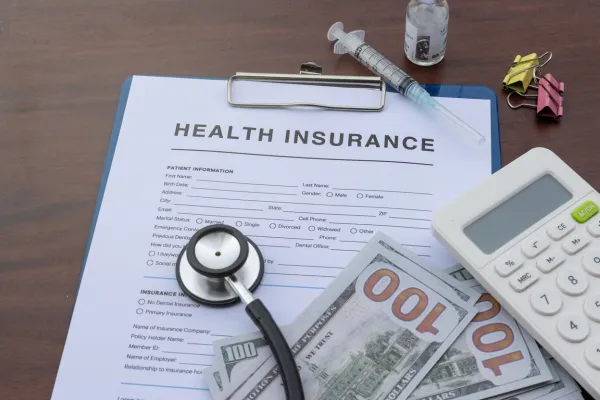
A health crisis doesn’t just affect your body—it can disrupt your income, savings, and financial stability almost overnight. While many people rely on health insurance to cover medical bills, few realize that it doesn’t protect their paycheck. This is where life insurance with living benefits can play a critical role.
Living benefits help bridge the financial gap when illness or injury prevents you from working, offering support when you need it most.
The Hidden Financial Risk of a Health Crisis

Even with good health insurance, a serious illness can create unexpected financial strain. Time off work, reduced hours, or job loss can lead to missed paychecks. Meanwhile, everyday expenses—rent or mortgage payments, utilities, groceries—don’t stop.
Health insurance typically covers medical treatment, but it does not replace lost income or cover non-medical costs. Without a backup plan, many people are forced to dip into emergency savings, retirement accounts, or take on debt.
What Are Living Benefits in Life Insurance?
Living benefits allow policyholders to access a portion of their life insurance coverage while they’re still alive if they experience qualifying events such as critical illness, chronic illness, or terminal conditions.
Unlike loans or reimbursements, these benefits are generally paid as a lump sum and can be used for any purpose—not just medical expenses. That flexibility makes them especially valuable during an income disruption.
How Living Benefits Help Protect Your Income
1. Replacing Lost Wages
When illness keeps you from working, living benefits can help cover essential living expenses. This support can act as temporary income replacement, giving you breathing room while you focus on recovery.
2. Covering Everyday Bills
Mortgage payments, rent, car loans, childcare, and utilities continue regardless of your health. Living benefits can help keep these obligations on track, preventing financial stress from piling up.
3. Avoiding High-Interest Debt
Without income protection, many people rely on credit cards or personal loans during health emergencies. Living benefits can reduce the need to borrow, helping you avoid long-term debt.
4. Protecting Long-Term Savings
Using retirement funds or investments to survive a health crisis can derail long-term financial goals. Living benefits allow you to preserve savings meant for the future.
Living Benefits vs. Disability Insurance
While disability insurance is designed to replace income, it often comes with waiting periods, strict qualification requirements, and partial income replacement. Living benefits differ by providing a lump-sum payout that can be accessed under specific health conditions.
Many people use living benefits as a complement to disability coverage, not a replacement—adding another layer of financial protection.
Who Should Consider Living Benefits for Income Protection?
Living benefits may be especially valuable for:
Self-employed individuals and freelancers
Primary income earners in a household
People with limited emergency savings
Those without employer-sponsored disability coverage
Final Thoughts
A health crisis can quickly become a financial crisis if your income is disrupted. Life insurance with living benefits offers a flexible safety net—helping you cover everyday expenses, protect savings, and focus on recovery rather than financial stress.
While no one plans for illness, planning for income protection can make all the difference. Living benefits help ensure that your life insurance supports you when you need it most—while you’re still living.

How Living Benefits Can Protect Your Income During a Health Crisis
A health crisis doesn’t just affect your body—it can disrupt your income, savings, and financial stability almost overnight. While many people rely on health insurance to cover medical bills, few realize that it doesn’t protect their paycheck. This is where life insurance with living benefits can play a critical role.
Living benefits help bridge the financial gap when illness or injury prevents you from working, offering support when you need it most.
The Hidden Financial Risk of a Health Crisis
Even with good health insurance, a serious illness can create unexpected financial strain. Time off work, reduced hours, or job loss can lead to missed paychecks. Meanwhile, everyday expenses—rent or mortgage payments, utilities, groceries—don’t stop.
Health insurance typically covers medical treatment, but it does not replace lost income or cover non-medical costs. Without a backup plan, many people are forced to dip into emergency savings, retirement accounts, or take on debt.
What Are Living Benefits in Life Insurance?
Living benefits allow policyholders to access a portion of their life insurance coverage while they’re still alive if they experience qualifying events such as critical illness, chronic illness, or terminal conditions.
Unlike loans or reimbursements, these benefits are generally paid as a lump sum and can be used for any purpose—not just medical expenses. That flexibility makes them especially valuable during an income disruption.
How Living Benefits Help Protect Your Income
1. Replacing Lost Wages
When illness keeps you from working, living benefits can help cover essential living expenses. This support can act as temporary income replacement, giving you breathing room while you focus on recovery.
2. Covering Everyday Bills
Mortgage payments, rent, car loans, childcare, and utilities continue regardless of your health. Living benefits can help keep these obligations on track, preventing financial stress from piling up.
3. Avoiding High-Interest Debt
Without income protection, many people rely on credit cards or personal loans during health emergencies. Living benefits can reduce the need to borrow, helping you avoid long-term debt.
4. Protecting Long-Term Savings
Using retirement funds or investments to survive a health crisis can derail long-term financial goals. Living benefits allow you to preserve savings meant for the future.
Living Benefits vs. Disability Insurance
While disability insurance is designed to replace income, it often comes with waiting periods, strict qualification requirements, and partial income replacement. Living benefits differ by providing a lump-sum payout that can be accessed under specific health conditions.
Many people use living benefits as a complement to disability coverage, not a replacement—adding another layer of financial protection.
Who Should Consider Living Benefits for Income Protection?
Living benefits may be especially valuable for:
Self-employed individuals and freelancers
Primary income earners in a household
People with limited emergency savings
Those without employer-sponsored disability coverage
Final Thoughts
A health crisis can quickly become a financial crisis if your income is disrupted. Life insurance with living benefits offers a flexible safety net—helping you cover everyday expenses, protect savings, and focus on recovery rather than financial stress.
While no one plans for illness, planning for income protection can make all the difference. Living benefits help ensure that your life insurance supports you when you need it most—while you’re still living.

Best insurance
companies of 2025
Our staff of experts evaluate top-rated insurance carriers. See which insurers ranked best overall in 2025.
Why trust us?
Proven Experience
With years of industry expertise, we’ve helped thousands of clients secure reliable insurance coverage and sound financial strategies.
Personalized Service
We take the time to understand your unique needs and tailor our recommendations. No one-size-fits-all policies here.
Comprehensive Solutions
From individual insurance to business risk management, we provide a full suite of services under one trusted roof.
Transparency & Integrity
We believe in honest communication, clear terms, and no hidden fees. Your peace of mind is our priority.
Client-First Approach
We build lasting relationships, not just transactions. Our ongoing support and proactive reviews ensure your coverage evolves with your life and goals.
Lower Your Life Insurance Rates Today!
Find the Best Coverage with Insurance Cost Solutions
© 2025 Strategic Partners & Insurance Group SVC. California Dept. of Ins. License no. 6003770
18543 Devonshire St suite121 Northridge CA 91324


